Pavement’s “Major Leagues” stands out as one of the band’s most quietly powerful and emotionally resonant tracks, serving as a reflective close to their original recording career. From the first echoing piano chords and measured, unhurried drums, the song establishes a mood of subdued melancholy tinged with subtle grandeur. Stephen Malkmus’s vocals glide effortlessly over the instrumentation, alternating between confessional intimacy and cryptic detachment. Lines like “Lip balm on watery clay/Relationships, hey hey hey” capture the awkward humor, vulnerability, and bittersweet tension inherent in human connection, balancing emotional weight with playful ambiguity. Musically, “Major Leagues” exemplifies Pavement’s ability to blend casual indie rock textures with sophisticated layering. The guitars are both delicate and atmospheric, the percussion steady yet understated, and Nigel Godrich’s production ensures every element is crisp and warm without ever feeling overproduced. The recurring refrain, “bring on the major leagues,” acts as a provocative invitation — a flirtation with risk, commitment, and emotional exposure.
There’s a tension throughout the track between desire and hesitation, rendering it intimate while simultaneously resonating on a universal level. Though reportedly recorded in only one or two takes, the song exudes precision and clarity, reflecting the band’s instinctive songwriting prowess. Its understated grandeur, clever lyricism, and nuanced instrumentation showcase Pavement at the peak of their artistic subtlety. In the broader context of the band’s discography, “Major Leagues” shares the melancholic wit of “Gold Soundz” and the lyrical ambiguity of “Cut Your Hair”, yet carries a reflective maturity befitting their final works. Over time, it has earned a revered place among fans and fellow musicians alike, its emotional resonance and quiet intensity highlighting why Pavement’s influence on indie rock endures. Ultimately, “Major Leagues” is more than a song — it is a study in understated emotion, deftly combining humor, longing, and musical restraint. It lingers in the listener’s mind long after the final note fades, a testament to Pavement’s singular ability to make casual, seemingly effortless songs feel profoundly moving and timeless.
Major Leagues is an EP by Pavement, it was released on October 12, 1999.
Jackets
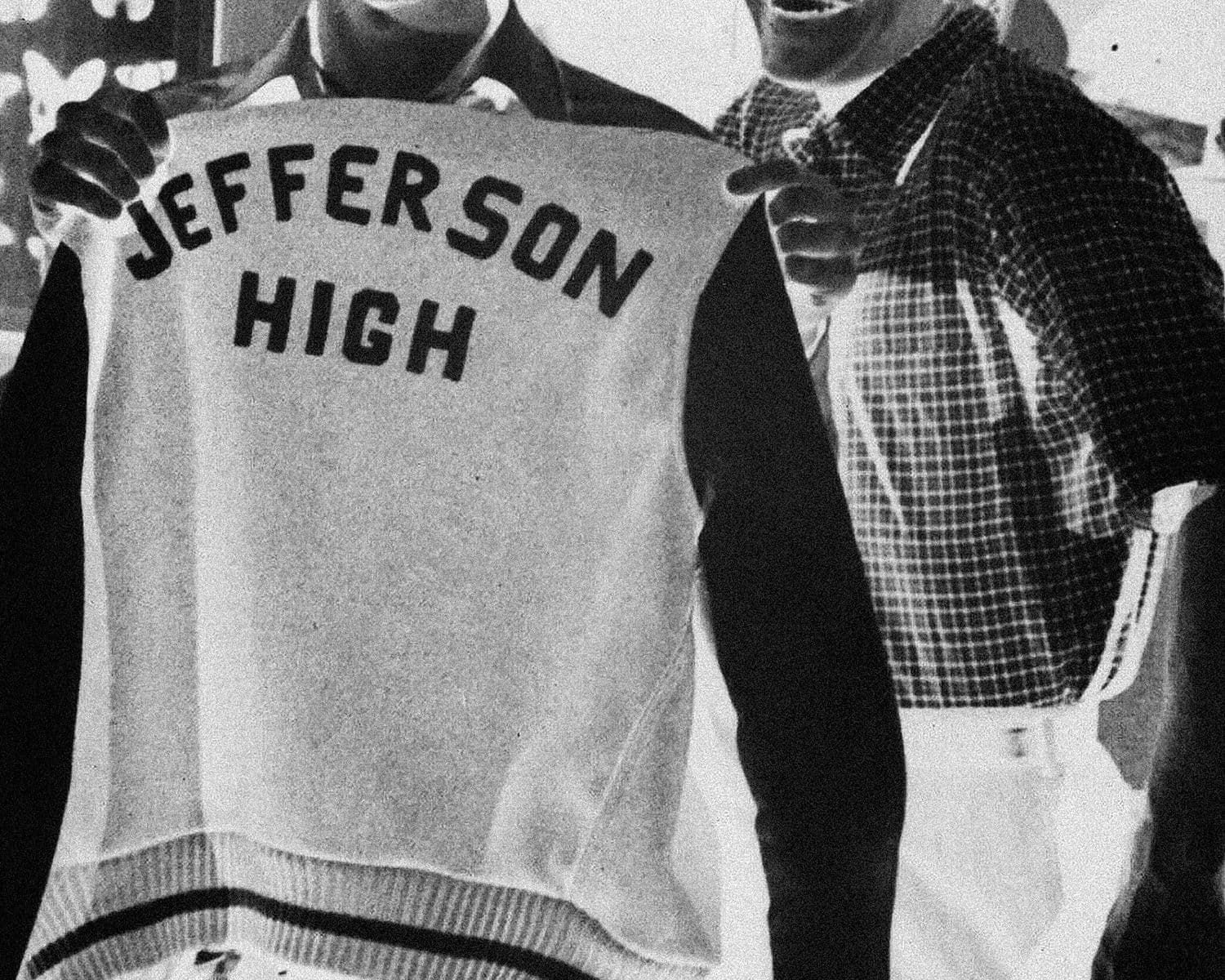
Originally emerging in the late 19th century at Harvard University, the jacket was awarded to student–athletes who had earned a letter for their participation in varsity sports. The design was simple but striking: wool body, leather sleeves, and a large letter sewn onto the chest representing the school or team. Over time, this functional garment became a cultural icon, signaling not just athletic success but a sense of belonging and identity within a school or community. Beyond its origins on the playing field, the varsity jacket has transcended its athletic roots to become a fashion statement embraced by multiple generations. Its appeal lies in its balance between casual comfort and symbolic prestige. Worn over jeans, skirts, or hoodies, the jacket adds an air of effortless cool, simultaneously nostalgic and contemporary. Designers and streetwear brands have reimagined the classic silhouette in countless ways, experimenting with colors, materials, and embellishments, yet the essential elements, a contrasting sleeve, ribbed cuffs, and the emblematic letter, remain central to its identity. The cultural resonance of the varsity jacket extends into music, film, and social media.
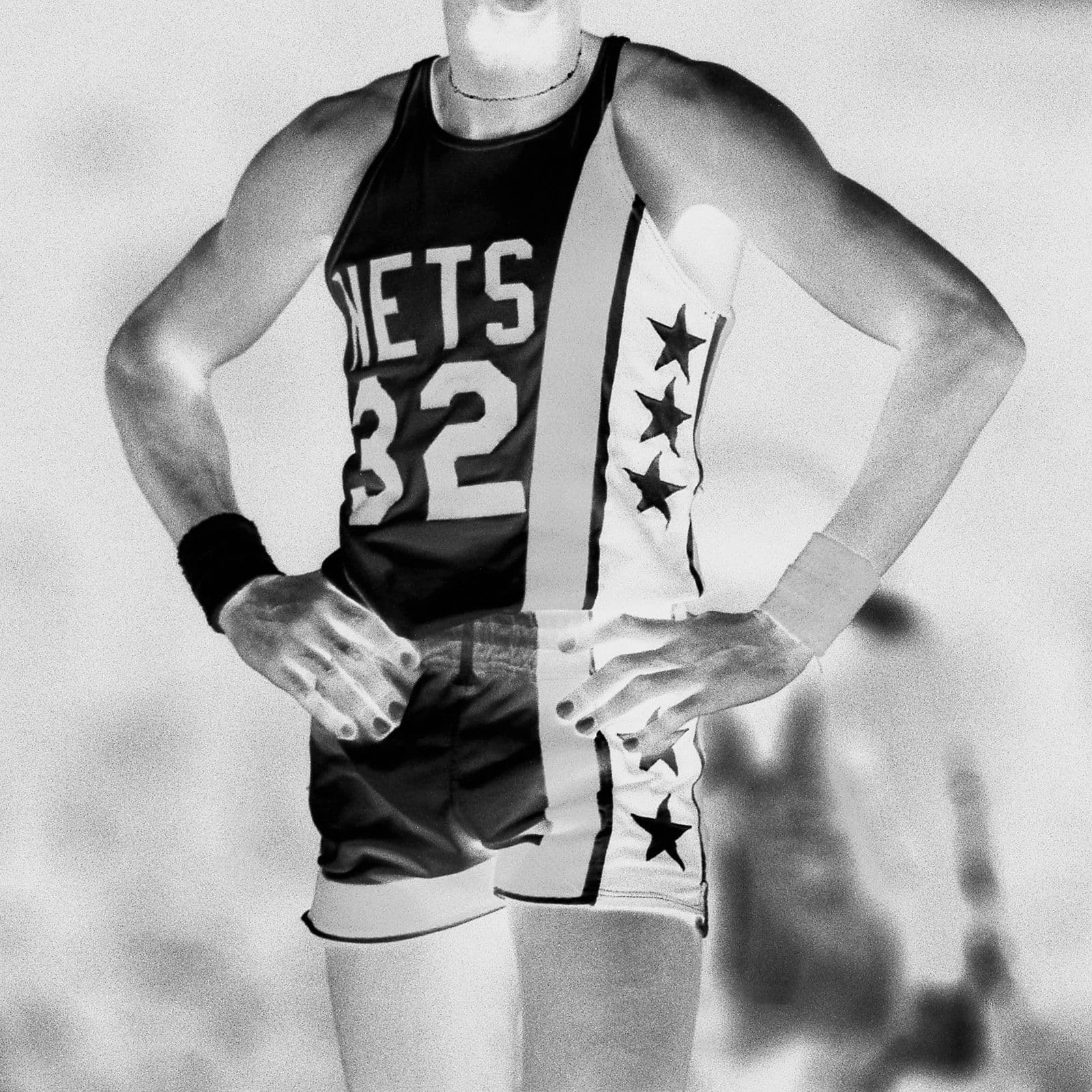
Julius Winfield Erving Ⅱ, “Dr. J” was born on February 22, 1950,in Roosevelt, N.Y.
Playoff
Julius Erving, known around the world as “Dr. J,” is one of basketball’s most iconic and influential players. Born on February 22, 1950, in Roosevelt, New York, Erving transformed the way the game was played. Before he arrived, basketball was largely a ground-based sport. When Dr. J took flight, the game literally rose to another level. His creative, high-flying dunks and graceful movements redefined athleticism and inspired generations of players who followed him. Erving began his professional career in the American Basketball Association (ABA) with the Virginia Squires in 1971, before joining the New York Nets. In the ABA, he quickly became a superstar, dazzling fans with his aerial artistry and leading his team to two championships. His style wasn’t just about scoring; it was about expression, flair, and confidence. Dr. J brought showmanship to basketball, combining artistry with competitiveness. When the ABA merged with the NBA in 1976, Erving joined the Philadelphia 76ers, where he would cement his legacy as one of the greatest players of all time.
With the Sixers, Erving continued to dominate, earning the 1981 NBA Most Valuable Player award and leading Phila to an NBA Championship in 1983. His rivalry with L.Bird and M. Johnson helped define a golden era of basketball. Yet beyond his stats, over 30,000 career points across the ABA and NBA, what made Dr. J special was his charisma and sportsmanship. He carried himself with elegance, earning respect both on and off the court. One of his most unforgettable moments came during the 1980 NBA Finals: a gravity-defying “baseline move” where he floated behind the backboard to lay the ball in a play that remains one of the most replayed highlights in basketball history. For many, Dr. J represented creativity and imagination, turning basketball into art. His influence can be seen in the play of Michael Jordan, Kobe Bryant, and today’s high-flying stars. Julius Erving wasn’t just a player; he was a pioneer, an artist, and a bridge between eras. He brought style to substance, elegance to power, and beauty to competition. Dr. J didn’t just play basketball—he elevated it.
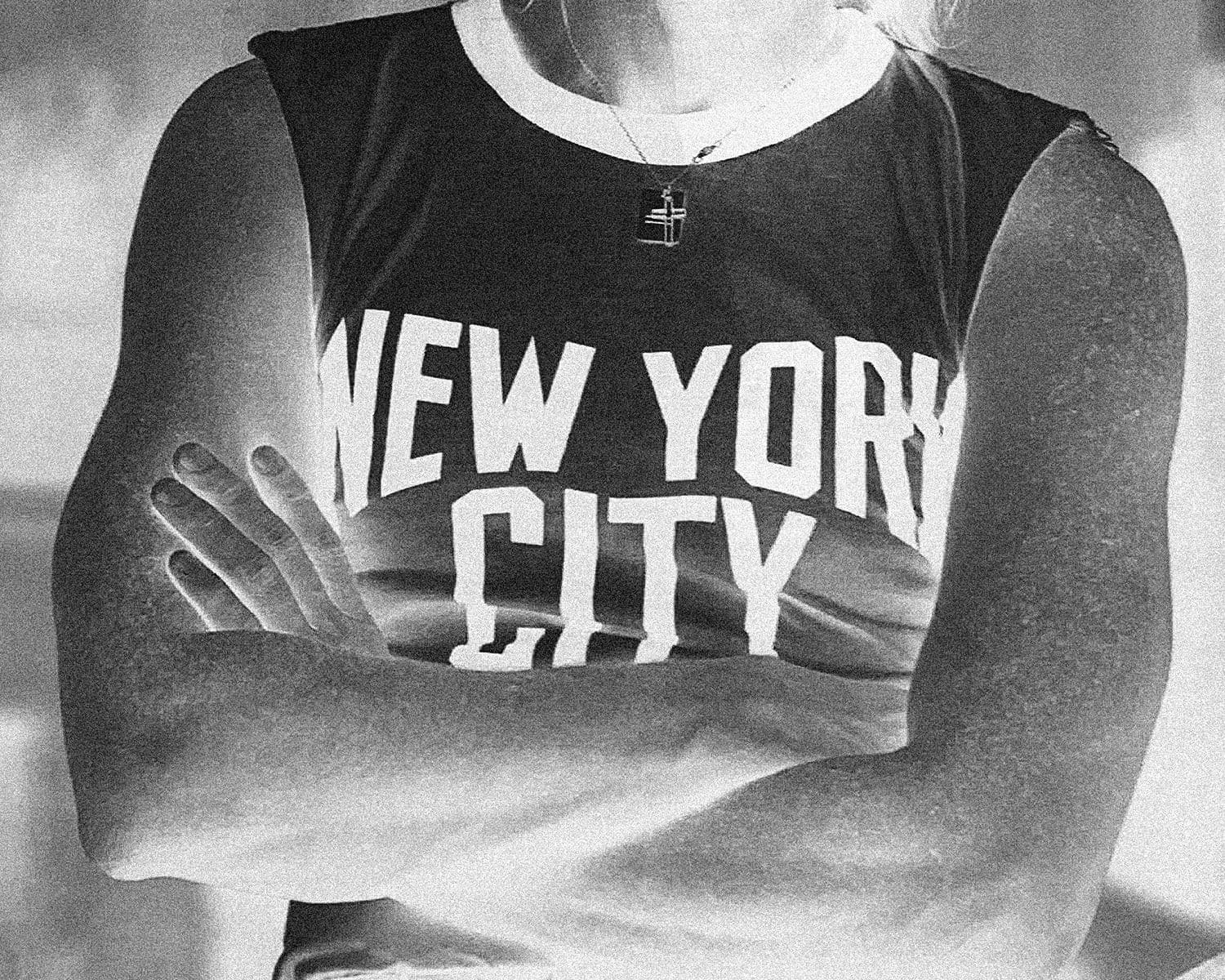
Lennon photographed on his rooftop at the Dakota in NYC, 1974
YEARS
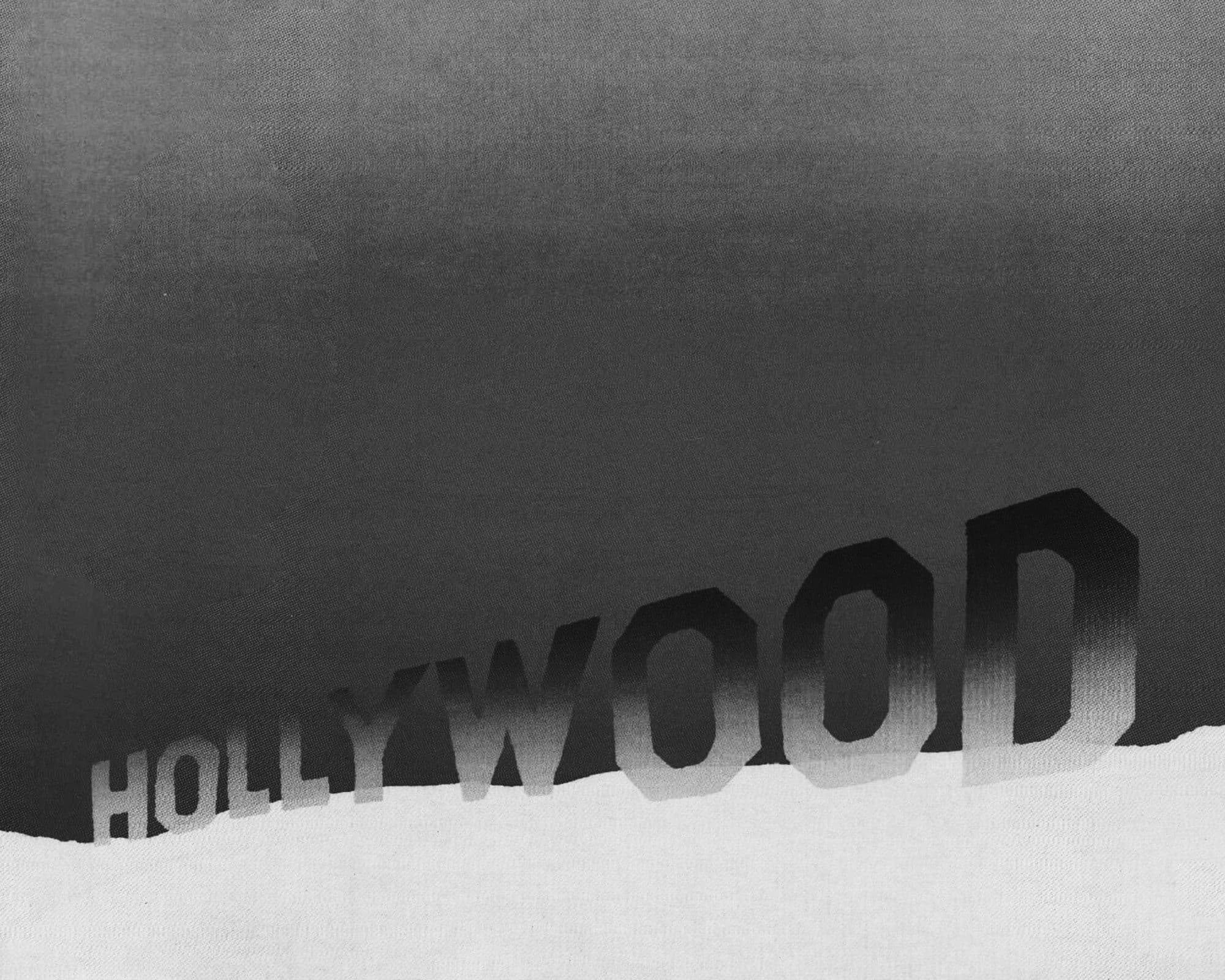
The Hollywood Sign is an American landmark and cultural icon overlooking Hollywood, Los Angeles, California. Originally the Hollywoodland Sign, it is situated on Mount Lee, in the Beachwood Canyon area of the Santa Monica Mountains. Spelling out the word “Hollywood” in 50-foot-tall (15.2 m) white uppercase letters and 450 feet (137.2 m) long, it was originally erected in 1923 as a temporary advertisement for a local real estate development, but due to increasing recognition the sign was left up, and replaced in 1978 with a more durable all-steel structure. Among the best-known landmarks in both California and the United States, the sign makes frequent appearances in popular culture, particularly in establishing shots for films and television programs set in or around Hollywood. Signs of similar style, but spelling different words, are frequently seen as parodies. The Hollywood Chamber of Commerce holds trademark rights to the Hollywood Sign but only for certain uses. It has since undergone restoration, including the installation of a security system to deter mischief. The sign is protected and promoted by the nonprofit “The Hollywood Sign Trust”, while its site and the surrounding land are part of Griffith Park. Visitors can hike to the sign from the Bronson Canyon entrance to Griffith Park or from Griffith Observatory.
There is also a trailhead near the Lake Hollywood Reservoir outside of Griffith Park, and although not an access point in itself, there is a popular scenic vista point around Lake Hollywood Park near the trailhead. The original sign was erected in 1923 and originally read “HOLLYWOODLAND” to promote the name of a new housing development in the hills above the Hollywood district of Los Angeles. Real estate developers Woodruff and Shoults called their development “Hollywoodland” and advertised it as a “superb environment without excessive cost on the Hollywood side of the hills.” Crescent owner Thomas Fisk Goff (1890–1984) designed the wooden sign in 30-foot-wide (9.1 m) and 50-foot-high (15.2 m) white block letters. Studded with around 4,000 light bulbs, the completed sign alternated between flashing in successive segments “HOLLY”, “WOOD”, and “LAND” and as a whole. Below the sign was a searchlight to attract more attention. The poles that supported the sign were hauled to the site by mules. The project cost $21,000, equivalent to $360,000 in 2022. The sign was officially dedicated in 1923, intended to last only a year and a half. The rise of American cinema in Los Angeles during the Golden Age of Hollywood gave it widespread visibility, causing it to be left beyond that, for over a quarter century still spelling “Hollywoodland”.
Sunset
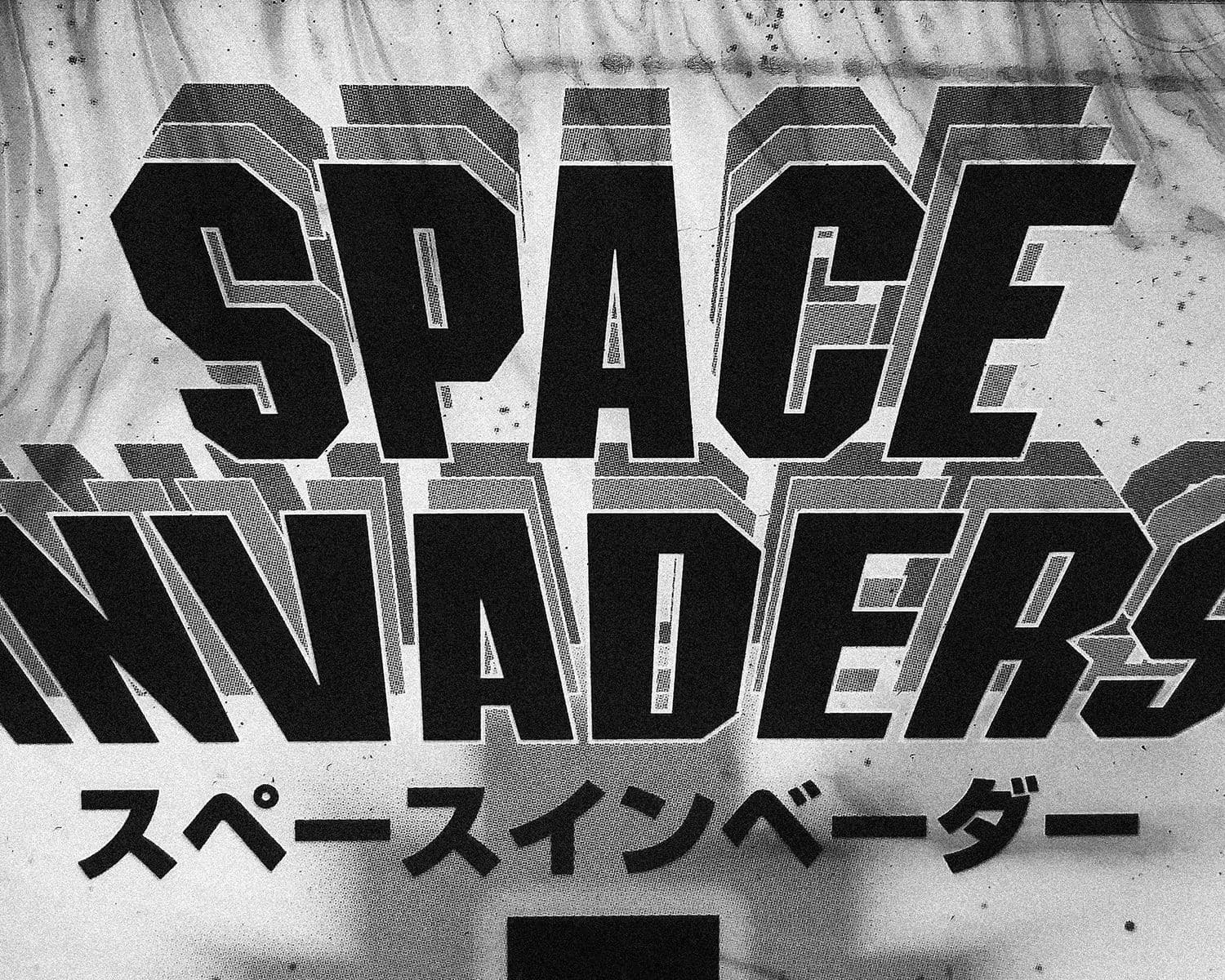
Space Invaders is a 1978 shoot ‘em up arcade video game developed and published by Taito. It was released in Japan in April 1978, with the game being released by Midway Manufacturing overseas. Commonly considered to be one of the most influential video games of all time, Space Invaders was the first fixed shooter and the first video game with endless gameplay (meaning there was no final level or endscreen) and set the template for the genre. The goal is to defeat wave after wave of descending aliens with a horizontally moving laser cannon to earn as many points as possible. Designer Tomohiro Nishikado drew inspiration from North American target shooting games like Breakout (1976) and Gun Fight (1975), as well as science fiction narratives such as the novel The War of the Worlds (1897), the anime Space Battleship Yamato (1974), and the film Star Wars (1977).
Space Invaders, T. Nishikado, Midway Manufacturing, April 1978
Arcade
Baseball caps originated in the mid-19th century as part of baseball uniforms in the United States. In 1860, the Brooklyn Excelsiors introduced a cap with a rounded crown and a long visor to protect players’ eyes from the sun. Over time, the design evolved, becoming more structured and comfortable. By the 20th century, baseball caps were widely adopted by professional teams and sports fans. Today, they are not only associated with baseball but have become a global fashion accessory worn by people of all ages and backgrounds.
Baseball caps originated in the mid-19th century as part of baseball uniforms in the United States. In 1860, the Brooklyn Excelsiors introduced a cap with a rounded crown and a long visor to protect players’ eyes from the sun. Over time, the design evolved, becoming more structured and comfortable. By the 20th century, baseball caps were widely adopted by professional teams and sports fans. Today, they are not only associated with baseball but have become a global fashion accessory worn by people of all ages and backgrounds.
Baseball caps originated in the mid-19th century as part of baseball uniforms in the United States. In 1860, the Brooklyn Excelsiors introduced a cap with a rounded crown and a long visor to protect players’ eyes from the sun. Over time, the design evolved, becoming more structured and comfortable. By the 20th century, baseball caps were widely adopted by professional teams and sports fans. Today, they are not only associated with baseball but have become a global fashion accessory worn by people of all ages and backgrounds.
Baseball caps originated in the mid-19th century as part of baseball uniforms in the United States. In 1860, the Brooklyn Excelsiors introduced a cap with a rounded crown and a long visor to protect players’ eyes from the sun. Over time, the design evolved, becoming more structured and comfortable. By the 20th century, baseball caps were widely adopted by professional teams and sports fans. Today, they are not only associated with baseball but have become a global fashion accessory worn by people of all ages and backgrounds.
Baseball caps originated in the mid-19th century as part of baseball uniforms in the United States. In 1860, the Brooklyn Excelsiors introduced a cap with a rounded crown and a long visor to protect players’ eyes from the sun. Over time, the design evolved, becoming more structured and comfortable. By the 20th century, baseball caps were widely adopted by professional teams and sports fans. Today, they are not only associated with baseball but have become a global fashion accessory worn by people of all ages and backgrounds.
Baseball caps originated in the mid-19th century as part of baseball uniforms in the United States. In 1860, the Brooklyn Excelsiors introduced a cap with a rounded crown and a long visor to protect players’ eyes from the sun. Over time, the design evolved, becoming more structured and comfortable. By the 20th century, baseball caps were widely adopted by professional teams and sports fans. Today, they are not only associated with baseball but have become a global fashion accessory worn by people of all ages and backgrounds.
Sneakers SNEAKERS
Turnover TURNOVER
Marathon MARATHON
Warriors WARRIORS
Exercise EXERCISE
Baseball BASEBALL
A
B
C
1
2
3
8
9
8
X
Y
Z
Goals GOALS
TIMES Times
SHIRT Shirt
Court COURT
Coach COACH
SKATE Skate
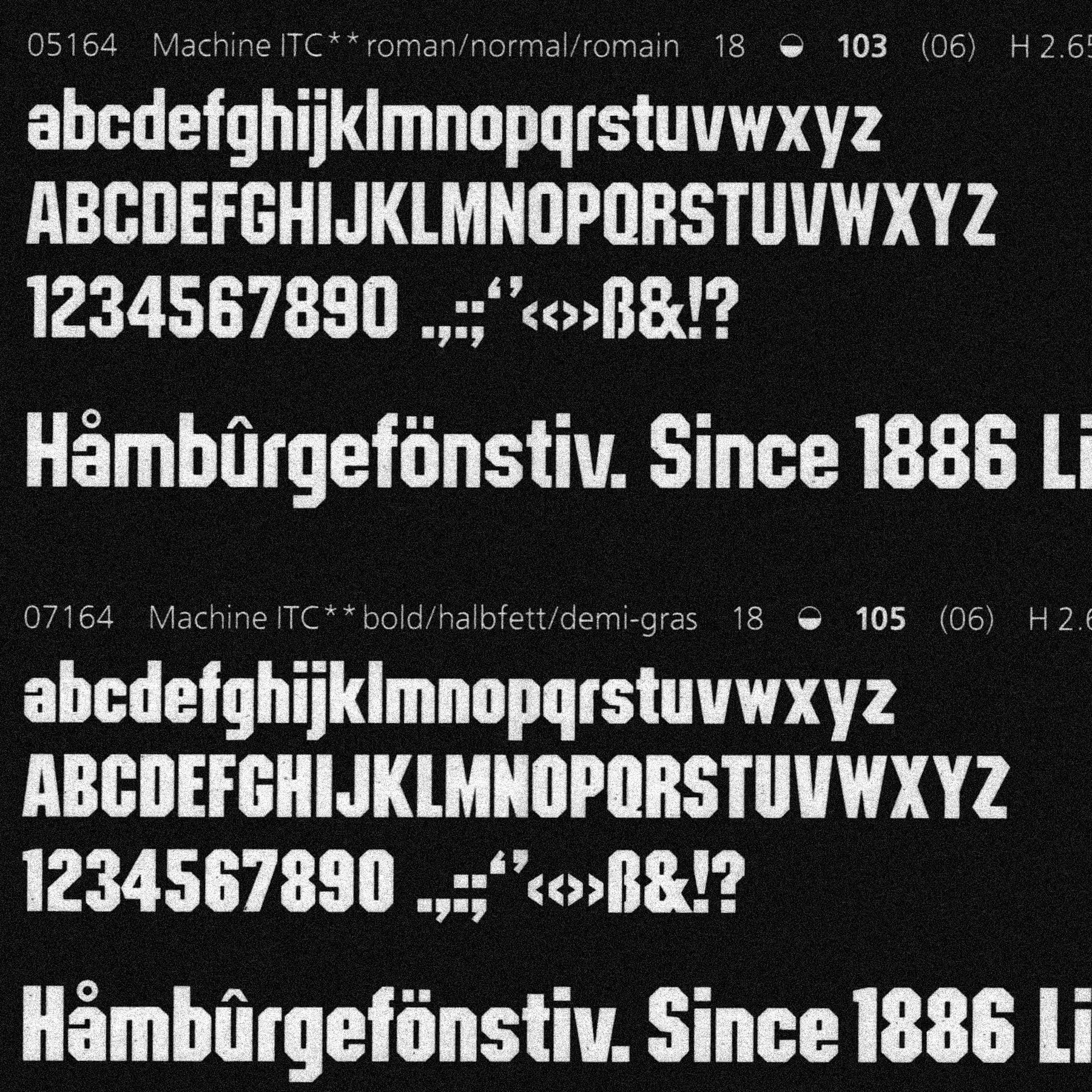
FT Athletic is a versatile display font with the feel of old video games, masking tape and basketball matches. It is inspired by sportswear and college graphics, old videogame packaging and DIY fonts. FT Athletic’s rough, distinctive look is also influenced by typefaces such as ITC Machine, ITC Superstar and Berthold City. The typeface is available in six weights, in both proportional and monospaced versions.
Version: 2.000 (FT Athletic) Year(s): 2025/2026 Designer: Piero Di Biase Design assistance: Kasper Pyndt Rasmussen Mastering: Alberto Malossi Glyphs: 1268 Formats: otf, woff, woff2 Version: 1.000 (FT Athletic Mono) Year(s): 2026 Designer: Piero Di Biase Mastering: Alberto Malossi Glyphs: 1268 Formats: otf, woff, woff2
aalt (Access All Alternates) ccmp (Glyphs Composition/Decomposition) locl (Localized Forms) subs (Subscript) sinf (Scientific Inferiors) sups (Superscript) numr (Numerators) dnom (Denominators) frac (Fractions) ordn (Ordinals) pnum (Proportional Figures) case (Case Sensitive Forms) liga (Standard Ligatures) zero (Slashed Zero) calt (Contextual Alternates) salt (Stylistic Alternates)
Abkhazian, Acehnese, Adangme, Adyghe, Afrikaans, Akan, Albanian, Aleut, Angika, Apache, Western, Aragonese, Arapaho, Aromanian, Asturian, Asu, Avaric, Awadhi, Aymara, Azerbaijani, Bafia, Balinese, Bambara, Basque, Bemba, Bena, Bini, Bislama, Bosnian, Breton, Buginese, Cajun French, Catalan, Cebuano, Chamorro, Cheyenne, Chickasaw, Chiga, Chuukese, Colognian, Comorian, Cornish, Corsican, Croatian, Czech, Dakota, Danish, Dargwa, Dazaga, Dogrib, Duala, Dutch, Efik, Ekajuk, Embu, English, Esperanto, Estonian, Ewondo, Faroese, Fijian, Filipino, Finnish, Fon, French, Friulian, Fula, Ga, Galician, Ganda, German, Gilbertese, Gorontalo, Guarani, Gusii, Gwichʼin, Haitian Creole, Hausa, Hawaiian, Herero, Hiligaynon, Hungarian, Hupa, Iban, Ibibio, Icelandic, Ido, Igbo, Iloko, Inari Sami, Indonesian, Interlingua, Irish, Italian, Javanese, Jju, Jola-Fonyi, Kabardian, Kabuverdianu, Kachin, Kako, Kalaallisut, Kalenjin, Kalmyk, Kamba, Kanuri, Karachay-Balkar, Karelian, Khasi, Kikuyu, Kimbundu, Kinyarwanda, Klingon, Komi, Koro, Koyra Chiini, Koyraboro Senni, Kuanyama, Kumyk, Kurukh, Kwasio, Ladino, Lakota, Langi, Latin, Latvian, Lezghian, Limburgish, Lingala, Lithuanian, Lojban, Louisiana Creole, Lower Sorbian, Lozi, Luba-Katanga, Luba-Lulua, Lule Sami, Lunda, Luo, Luxembourgish, Luyia, Machame, Madurese, Magahi, Makasar, Makhuwa-Meetto, Makonde, Malagasy, Malay, Maltese, Manx, Māori, Mapuche, Mari, Marshallese, Masai, Mende, Meru, Metaʼ, Mi’kmaw, Minangkabau, Mirandese, Mizo, Mohawk, Moksha, Morisyen, Mossi, Mundang, Mvskoke, Nauru, Navajo, Ndonga, Neapolitan, Newari, Ngambay, Ngiemboon, Nias, Niuean, Nogai, North Ndebele, North Sámi, Northern Sotho, Norwegian Bokmål, Norwegian Nynorsk, Nyanja, Nyankole, Occitan, Oromo, Palauan, Pampanga, Pangasinan, Papiamento, Pite Sámi, Polish, Portuguese, Quechua, Rapanui, Rarotongan, Romanian, Romansh, Rombo, Rundi, Rwa, Samburu, Samoan, Sandawe, Sango, Sangu, Sardinian, Scots, Scottish Gaelic, Sena, Serbian, Shambala, Shan, Shona, Sicilian, Siksiká, Skolt Sami, Slovak, Slovenian, Soga, Somali, Soninke, South Ndebele, South Sámi, Southern Altai, Southern Sotho, Spanish, Sranan Tongo, Sukuma, Sundanese, Swahili, Swati, Swedish, Swiss German, Tahitian, Taita, Taroko, Tasawaq, Teso, Tetum, Timne, Tok Pisin, Tongan, Tsonga, Tswana, Tumbuka, Turkish, Turkmen, Tuvalu, Tuvinian, Tyap, Udmurt, Umbundu, Ume Sámi, Upper Sorbian, Uzbek, Vai, Vunjo, Walloon, Waray, Welsh, Wolastoqey, Wolof, Xhosa, Yangben, Yemba, Yoruba, Zarma, Zaza, Zulu, Zuni.